Carpet Cleaning
Barnes is a residential area known for its quieter atmosphere, riverside surroundings, and a housing mix that includes period homes, converted buildings, and well-maintained family properties. Unlike more densely packed parts of London, the neighbourhood tends to have longer-term tenancies, where residents stay in one property for extended periods before moving on. This naturally shapes how homes are used and how they change over time.
Within this setting, properties are not all affected in the same way. Some homes retain their original character with traditional layouts and individual rooms, while others have been modernised or adapted for contemporary living. In mixed residential structure environments, this variation means that each property develops its own pattern of use, depending on layout, occupancy style, and how daily life is organised within the space.
We proudly offer a deposit back guarantee with every end of tenancy clean. Thanks to our 168-hour re-clean policy, if your landlord or letting agent raises any issues, we’ll return and fix them free of charge. This way, you can move out stress-free knowing your property meets professional standards.
"*" indicates required fields
“I booked Bobs Tenancy Cleaning for my flat in Hackney, and I couldn’t be happier. The cleaners were punctual, professional, and my landlord was impressed with how spotless everything was!”
FAQ
Frequently Asked Questions – End of tenancy Cleaning BarnesThe process begins with a structured review of the entire property before any cleaning begins. In preparation-stage property evaluation systems, each room is assessed to understand usage intensity, surface condition, and the level of attention required in different areas of the home.
This initial stage also helps establish how different rooms connect with one another in terms of usage flow. In interlinked residential space mapping frameworks, attention is given to how movement patterns between kitchens, bathrooms, and living areas influence the spread of everyday residue and light surface changes across the property.
Once the assessment is complete, work follows a controlled room-by-room progression. In systematic domestic treatment sequencing, each space is completed fully before moving to the next, ensuring that no area is partially addressed or left inconsistent with the rest of the property.
During this progression, priority is often given to areas with higher activity levels. In usage-intensity prioritisation systems, rooms that experience frequent daily interaction are addressed with greater focus first, while less frequently used spaces are reviewed afterwards to maintain a balanced overall finish.
Kitchen areas receive detailed attention due to long-term exposure to cooking activity. In culinary residue exposure environments, surfaces are affected by heat, steam, oil particles, and repeated contact, which gradually builds up across cooking zones, cabinetry, and appliance surfaces.
Additional focus is also placed on high-contact points within the kitchen. In frequent-touch surface concentration systems, areas such as handles, switches, edges, and appliance controls are reviewed because they tend to show signs of repeated use more quickly than larger surrounding surfaces.
Bathrooms are treated as moisture-sensitive environments. In continuous humidity exposure systems, steam, condensation, and water contact gradually influence tiles, seals, and glass surfaces, requiring structured attention to restore visual consistency.
Special attention is often given to enclosed bathroom sections. In restricted airflow moisture accumulation zones, corners, shower enclosures, and areas behind fittings can retain moisture longer, leading to gradual changes that require detailed treatment during preparation.
Living areas and bedrooms are handled with a focus on overall presentation balance. In general habitation surface equalisation workflows, flooring, doors, skirting, and touchpoints are reviewed to ensure that minor marks and dust accumulation are addressed evenly across all occupied spaces.
Consideration is also given to how furniture placement affects long-term condition. In static furnishing impact environments, areas beneath and around large items often develop subtle differences in surface tone and texture, which become more noticeable once rooms are cleared.
Attention is also given to hidden or overlooked zones. In restricted visibility cleaning environments, areas behind furniture placement, inside storage units, and along concealed edges are treated because they often collect long-term residue without regular access during tenancy.
These less visible sections are particularly important in properties with long occupancy periods. In long-duration accumulation zones, fine particles and light residue can gradually build up in undisturbed spaces, creating inconsistencies that only become clear during final inspection stages.
See why tenants across London trust Bobs Tenancy Cleaning for a hassle-free move out.
What our clients sayOur professional team delivers spotless results every time, helping clients secure their full deposit with ease.
When it comes to end of tenancy cleaning in Barnes, you want a team you can trust – and that’s exactly what you get with Bobs Tenancy Cleaning. Our professional cleaners are fully trained and experienced in delivering high-quality tenancy cleans that meet the strict standards of landlords and letting agents across Barnes.
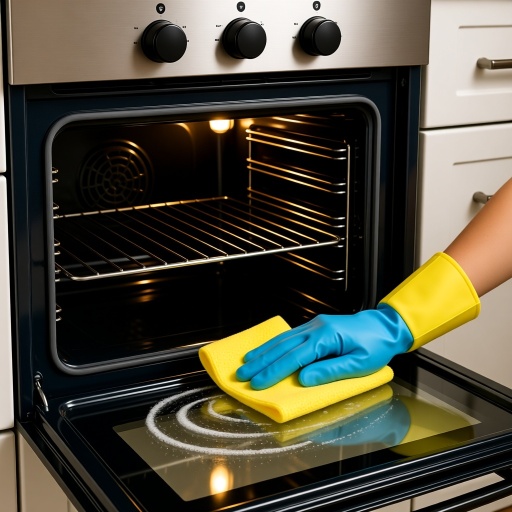
We understand that moving out can be stressful, which is why we take care of every detail. From deep-cleaning kitchens, bathrooms, and carpets to polishing skirting boards and windows, our team ensures every corner of your property is spotless. Our flexible booking options make it easy to schedule a Barnes end of tenancy clean that fits your timetable, including evenings and weekends.
We also offer a deposit back guarantee with a 168-hour re-clean policy, giving you complete peace of mind that your property will pass inspection. Transparent pricing, no hidden fees, and a friendly, reliable service make us the top choice for tenants across the city.
Choose Bobs Tenancy Cleaning for your move out cleaning and enjoy a stress-free experience, a sparkling property, and a full deposit returned – every time.
FAQ
Frequently Asked QuestionsOur Services
Bobs Tenancy Cleaning Services:At Bobs Tenancy Cleaning, we offer a full range of end of tenancy cleaning services in London, including kitchens, bathrooms, carpets, and windows. Our team also provides deep cleans, move out cleaning, and after builders cleaning, ensuring every property is spotless and inspection-ready.
“I used Bobs Tenancy Cleaning for my 2-bedroom flat in Islington, and the service was exceptional. Their attention to detail and quick turnaround made getting my deposit back completely hassle-free.”
Same Day
End of Tenancy Cleaning
Barnes properties tend to age in a gradual and layered way due to the stability of long-term occupancy. In extended residential lifecycle environments, changes do not usually happen suddenly but build up slowly through repeated daily routines, seasonal shifts, and long-term use of the same internal spaces.
Because many homes follow traditional layouts, each room functions with a distinct purpose. In segregated domestic function systems, kitchens, dining rooms, bedrooms, and lounges each experience different levels of activity. This leads to uneven wear patterns, where some areas show visible changes earlier than others simply due to higher usage frequency.
Daily household movement also plays a major role in shaping condition over time. In repetitive circulation movement environments, hallways, staircases, and connecting doorways experience constant foot traffic. These transitional areas often develop subtle changes in flooring tone, edge marking, and surface dullness compared to less-used rooms.
The presence of family living increases overall usage intensity. In multi-occupant shared living systems, surfaces are influenced by repeated contact from different household members, each with their own routines. This creates overlapping usage patterns that affect kitchens, bathrooms, and communal areas in slightly different ways over time.
Older building features contribute additional complexity. In architectural detail retention environments, decorative mouldings, deep trims, and textured wall sections introduce micro-surfaces where fine particles naturally settle. These areas often remain visually unchanged during occupancy but accumulate subtle layers that only become noticeable once the space is cleared.
Lighting conditions inside older homes can also influence perception of condition. In variable interior lighting exposure environments, natural light from large windows and uneven artificial lighting can highlight marks, surface variations, and tonal differences that may not be obvious under normal daily use.
Storage-heavy living is another contributing factor. In long-term enclosure usage environments, wardrobes, cupboards, and built-in units often remain closed for extended periods, allowing fine dust to gather in edges, corners, and rear sections without interruption.
Finally, external influence plays a role in many Barnes homes. In environmental entry transfer systems, outdoor elements such as pollen, dust, and moisture are gradually introduced through entrances, shoes, and open windows, especially during seasonal changes.
Postcode coverage: SW13
Other locations we cover nearby: Barnes